Explore practical guides for sourcing and customizing bamboo pencils. We cover materials, certifications, manufacturing, branding, and quality control. In addition, each article is written for importers, distributors, promotional buyers, and private-label brands. Use these insights to compare suppliers and plan reliable bulk orders.
-
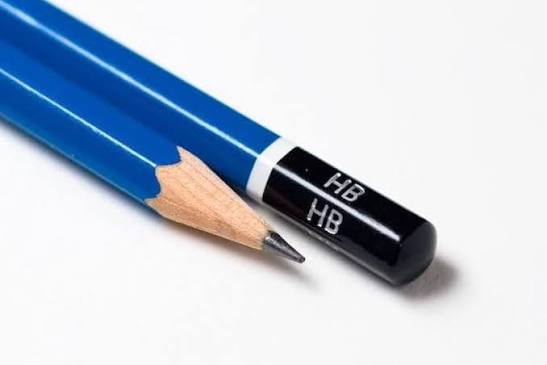
Why is the pencil in your hand painted yellow? And what do the H and B in HB actually stand for? Two questions almost nobody stops to ask — and both trace back to the same brand: Koh-I-Noor Hardtmuth. Founded in Vienna in 1790, it patented a graphite-and-clay pencil core in 1802 and is credited with the 8B–10H grading scale the world still uses today. A single pencil company that defined an entire industry’s standard is worth twenty minutes of any custom stationery buyer’s time. From a Porcelain Workshop to a Pencil Empire In 1790, Joseph Hardtmuth — court architect…
-
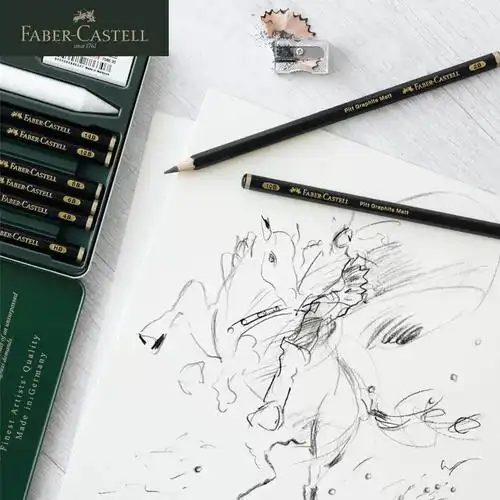
In the pencil industry, Faber-Castell is a name you cannot get around: founded in 1761 in Stein, Germany, it is the world’s oldest pencil brand, still run by the ninth generation of the same family, and produces around 2 billion pencils a year. For buyers who are building a brand of their own today, this 265-year story holds the underlying logic of brand trust — and one opening that belongs to new brands. 265 Years of One Factory: How Time Becomes an Asset In 1761, Kaspar Faber, a cabinetmaker from Nuremberg, began making pencils by hand in the town of…
-

Bamboo logo pencils are quietly replacing disposable plastic pens on hospitality procurement lists. For hotels and restaurants, a bamboo pencil stamped with their logo costs next to nothing — yet it simultaneously boosts guests’ tactile brand memory in rooms and at tables, meets environmental compliance requirements, and serves as a portable ad guests take with them. This article breaks down the key points for customizing and sourcing bamboo pencils in hotel and restaurant settings.
-
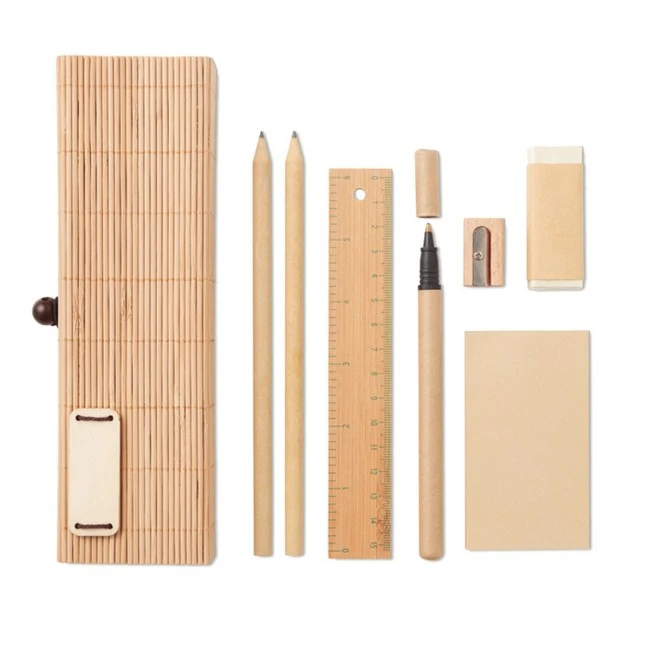
The corporate gift market is undergoing a quiet revolution. According to Swag.com, the global corporate gifting market is projected to grow from $886.5 billion in 2025 to $956.9 billion in 2026, with sustainable gifts as the core driver. 56% of corporate procurement buyers have already folded eco-friendly gifting into their social-responsibility goals, while 80% of consumers are willing to pay a premium for sustainably sourced products. For B2B buyers, choosing eco-friendly corporate gifts is no longer a multiple-choice question—it’s a ticket to the game. Why Eco-Friendly Gifts Became a Necessity Over the past three years, “green procurement” has evolved from…
-

Your first bulk pencil order from an overseas factory rarely fails because of quality. It fails because four things were never fully sorted out: how low the MOQ really is, whether to pick HB or 2B, how many pencils fit in a case, and when the goods will actually arrive. This pencil wholesale guide is written for brands, stationers, and gift buyers — to help you align every bulk pencil ordering parameter from day one.
-
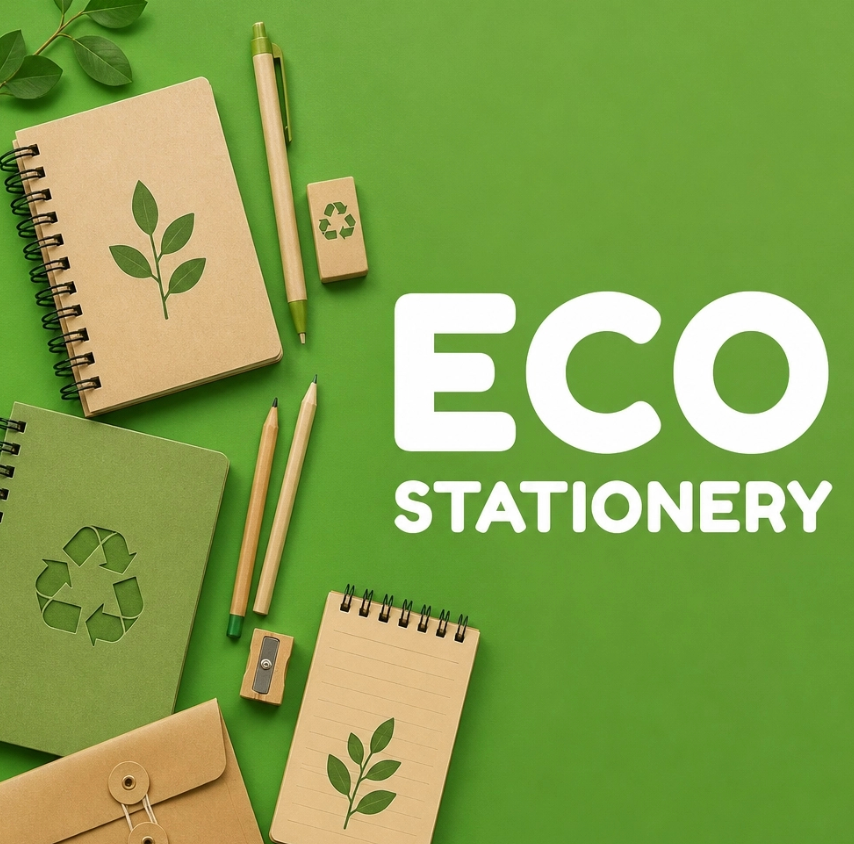
Each year, the world discards tens of billions of plastic pens — most ending up in landfills or the ocean, where they take centuries to break down. By contrast, a bamboo pencil grows to harvestable maturity in just 3–5 years and decomposes naturally within 90–180 days of disposal. Bamboo over plastic has moved from slogan to growth engine of the global sustainable stationery market — one projected to surpass $13.7 billion by 2030.
-
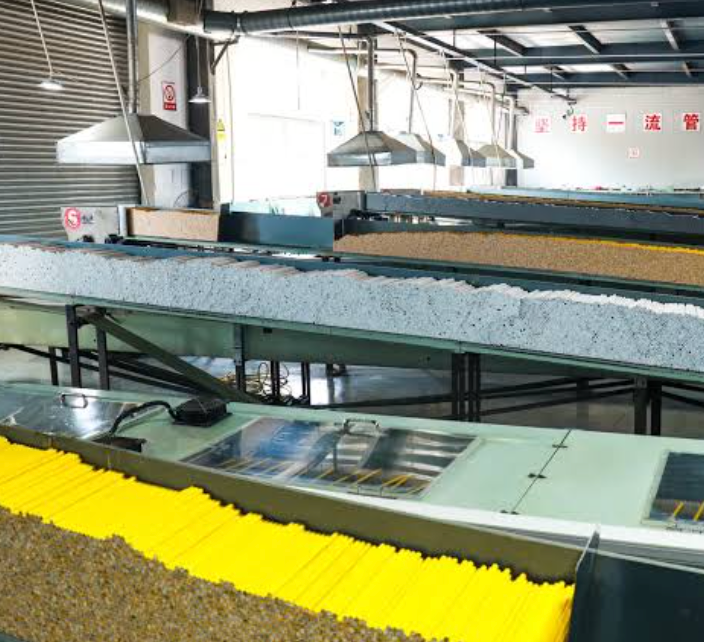
B2B buyers typically encounter two types of suppliers when sourcing: direct factories vs. trading companies. On the surface, both “sell pencils,” but their actual delivery capabilities differ dramatically.
-

The rise of bamboo pencils is no isolated phenomenon — behind it lies a “bamboo instead of plastic” materials revolution that is accelerating on a global scale.
-
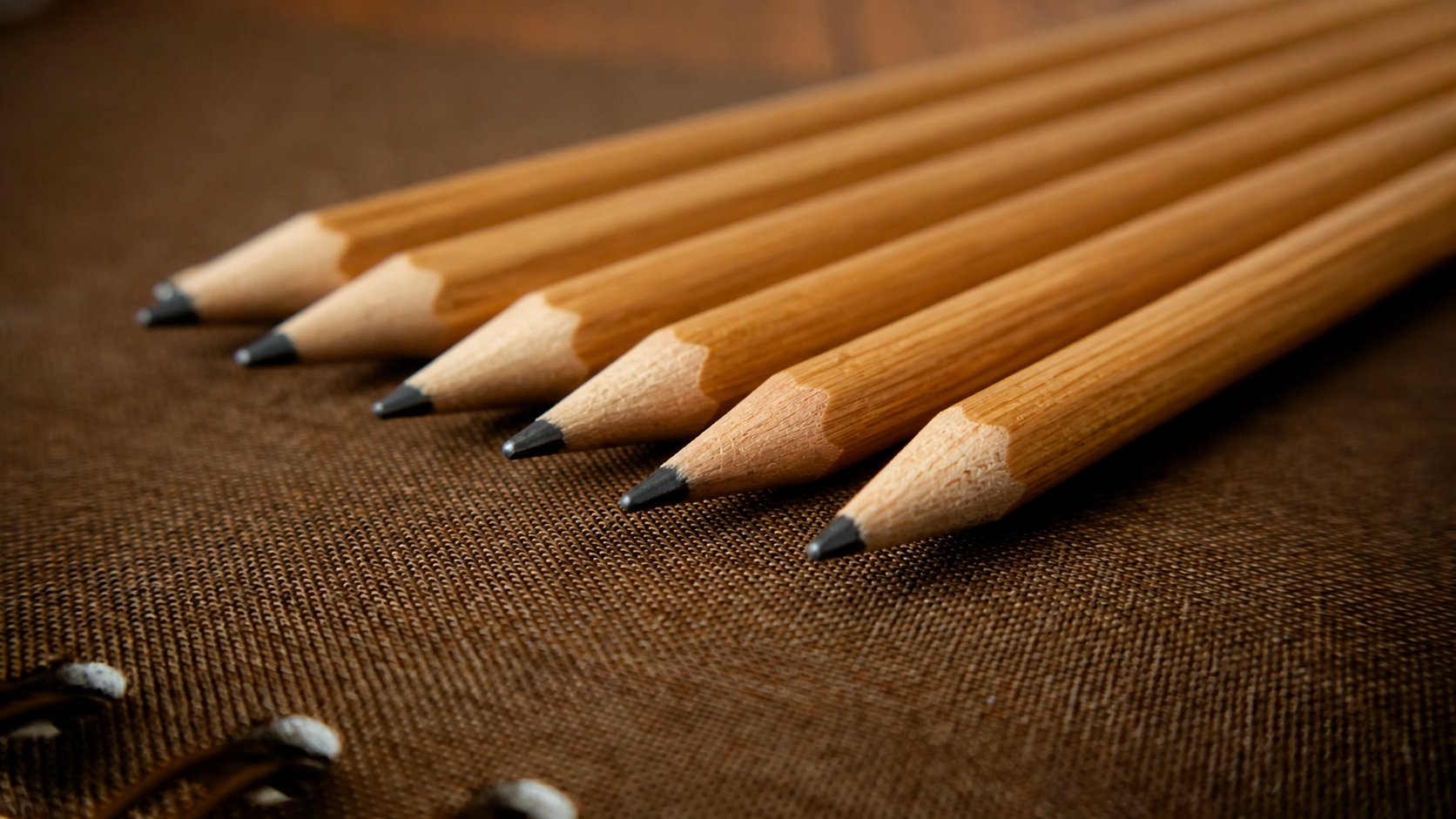
Bamboo pencils are setting a new standard in sustainable stationery. Discover why bamboo is greener than wood, the performance advantages of bamboo pencils, and how the “bamboo instead of plastic” trend is reshaping the global stationery industry.
-

are the very qualities that kept bamboo from becoming a pencil material for millennia. It took us over a decade of R&D to solve this. The result: bamboo performs in sharpening as well as traditional poplar pencil boards.